Six things I wish I'd known before studying medicine abroad | TopUniversities

Six things I wish I'd known before studying medicine abroad

Save

Share

 
Six things I wish I knew before starting Med School abroad

Getting into medical school and becoming a doctor is a dream shared by many students.  However, the journey that comes after graduation is something far fewer people understand. 

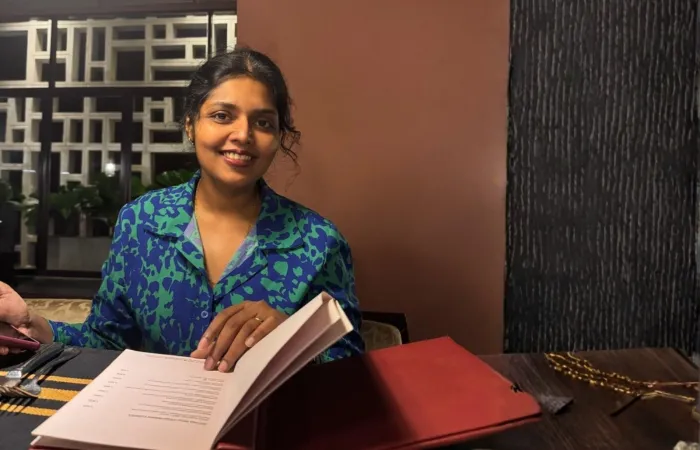
Amritha Sridaran, a Sri Lankan doctor who studied medicine in the Philippines has experienced this firsthand. Since graduating, she's navigated the medical pathways in the Philippines, Sri Lanka and the UK, giving her a unique perspective on what it really takes to build an international medical career. 

Reflecting on her own experience, Amritha recalled: "I was naive enough to think medicine is like any other degree, you study, you get in, you get out, and you're a doctor. That turned out to be very far from the truth." 

Read on to find out what she wishes she'd known before starting medical school, and what today's students should understand before committing to an international medical career.

1: Plan with your future career in mind

Unlike many other degrees, graduating from medical school doesn't mean you're ready to start working as a doctor. Depending on your longer-term goals, there could be licensing exams, degree verification, registrations and internships that can take months or even years to complete.  

Looking back, Amritha believes many aspiring medical students focus on getting into medical school without thinking about the years that follow. 

Beyond the time commitment, there's also the financial reality. "Studying medicine abroad in a private medical university without a scholarship is an expensive ordeal. It's not a course where you can work while studying, so there's no, 'I'll get a part-time job and pay my fees.' That will not work, not for medicine."  

"Don't just research the degree. Think about where you want to work afterwards, because that's what determines everything that comes next”. 

Having a rough idea of your long-term career goals can help you understand which licensing pathway you'll need to follow, how long it might take and what additional costs you should prepare for. 

As she puts it: "The medical degree is just the beginning of a medical education." 

A group of medical students and doctors performing a surgery

Amritha Sridaran during a surgical rotation as an intern medical officer

Every country has its own licensing pathway, and before you can even sit licensing exams, you'll often need to have your degree verified by organisations such as ECFMG (for the US pathway) or EPIC, depending on where you intend to work. Amritha says these verification processes can take months and involve additional costs that many students don't anticipate. 

You will also need to budget for English language tests such as IELTS or OET, followed by licensing examinations like PLAB (UK), USMLE (US) or AMC (Australia).  

Each stage requires both time and money, making it important to understand the full pathway before deciding where to study. 

It's also worth understanding what comes after you've obtained your licence. Your career pathway can look very different depending on the country.  

For example, foreign medical graduates who return to Sri Lanka and complete the required licensing process can enter the government healthcare system, offering a structured career pathway and long-term job security before deciding whether to specialise.  

In contrast, gaining registration with the UK's General Medical Council (GMC) doesn't automatically guarantee employment, graduates must still apply and compete for jobs before beginning the next stage of their careers.

2: Different countries expect different things from doctors

Having studied and worked across medical pathways in three different countries, Amritha says one of the biggest lessons she's learned is that every country trains and evaluates doctors differently. 

She told me: "The Philippines prioritises whether you can actually do things." This is why their medical education places a strong emphasis on practical skills. Students get early clinical exposure, assist in surgeries and interact with patients much sooner.  

Many Filipino students also study medicine as a second degree, often after qualifying as nurses or other healthcare professionals, meaning they already enter medical school with hands-on experience. 

Sri Lanka, on the other hand, places much greater emphasis on academic performance. Students are ranked based on their final examinations, and that ranking continues to influence everything from internship placements to future career opportunities. 

The UK expects something different again. While medical knowledge remains essential, communication and patient-centred care carry just as much weight. Rather than simply diagnosing and directing treatment, doctors are expected to involve patients in decisions and explain their options. She believes these differences extend beyond patient care. "In most South Asian countries including Sri Lanka, the doctor is like a final authority who tells you the diagnosis, and you are expected to sort of obey the doctor," she says.  

"In the UK however, you have to be a communicator, a healthcare manager, a person who can counsel, answer questions and guide patients through their options, not just about treatment plans but also advice about social services". 

3: Strengthen your soft skills, particularly in communication

While healthcare systems may differ, Amritha says communication and other soft skills have been invaluable wherever she's worked. Whether in Sri Lanka, the Philippines or the UK, she believes being kind, approachable and taking the time to speak to patients well never goes unnoticed. 

"When you are nice to your patients, people notice, patients notice, and doctors notice. Even if it's rewarded or not, it's always appreciated," she explained. 

She emphasised that strong people skills help build relationships with colleagues across the wider healthcare team, from senior doctors to nurses, laboratory staff and caregivers.  

A med school student during her clinical training in Sri Lanka

Amritha Sridaran during her clinical training in Sri Lanka

4: Your network is part of your medical education

Reflecting on her own journey, Amritha admits networking was something she underestimated early in her career. While she focused heavily on studying, she later realised that building professional relationships could open doors to new opportunities and provide valuable guidance throughout the profession. 

“After graduation, I noticed that people with better networks fared better. When it comes to working in hospitals, it always helps when you know someone who's done the exam before you, or someone working somewhere else,” she explained.  

Medicine is a profession where advice from someone who's already navigated the pathway you're about to take can save both time and uncertainty.  

Whether it's understanding licensing exams, applying for jobs or simply knowing who to ask for guidance in your first internship, having a strong professional network can make the journey much easier. 

Amritha’s advice is to make the most of opportunities to meet people throughout medical school, whether that's through conferences, university events or simply getting to know classmates and colleagues.  

She also recommends keeping an updated LinkedIn profile as a way to build and maintain professional connections beyond the people you meet in person.  

"It's always good to know people. Even though everything is automated these days, people can still open doors for you."

5: Develop a second skill

Amritha also encourages students to develop skills outside of clinical practice. Licensing exams, degree verification and job applications can create long waiting periods during which you may not yet be able to work as a doctor.  

As she puts it, “If being a doctor is the only skill you know, then it’s going to be difficult because you won’t be able to put those skills to use while you wait for your license.” 

This is where skills like research, scientific writing, teaching and content creation can be invaluable, opening up opportunities while you work towards the next stage of your medical career.  

Drawing on her own experience, she recalled: “Since I was into writing, I wrote medical articles for a local newspaper and worked with senior consultants who were carrying out research.” 

While small side hustles like these may not be highly compensated, they will still provide valuable experience and keep you engaged with the profession. 

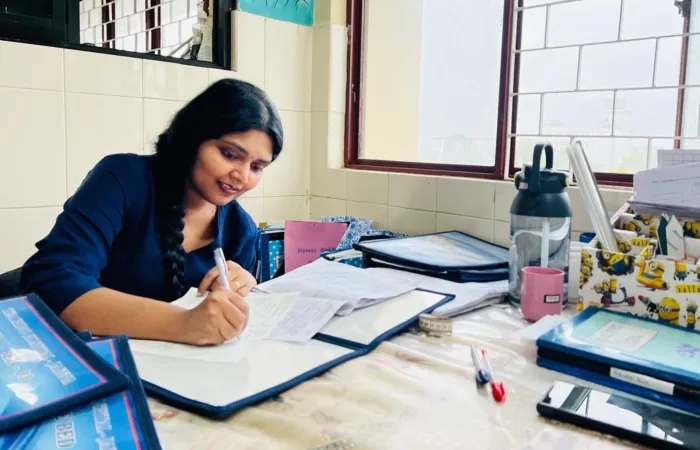
Alongside medicine, Amritha Sridaran pursued opportunities in writing and research while preparing for the next stage of her career.

Alongside medicine, Amritha Sridaran pursued opportunities in writing and research while preparing for the next stage of her career.

6: Research more than just the university

For students considering medicine overseas, Amritha's biggest piece of advice is simple: don't just research the university, research everything that comes with it. 

Before applying, Amritha recommends checking whether the medical school is recognised by the relevant international bodies, such as the World Health Organisation (WHO) directory, and whether the degree is accredited in your home country. 

"Not being able to practise in your home country can be a major drawback because if things don't work elsewhere, people usually resort to their home country." 

Once you've shortlisted universities, take a closer look at the country you'll be living in. Research the practical realities of studying there, including visa requirements and renewal costs, accommodation, travel connections to home, the local climate and the country's political stability. 

These factors may seem small at first, but over five or six years they can make a significant difference financially and personally. Even something as simple as moving from a tropical country to one with harsh winters can mean unexpected expenses for clothing, heating and higher utility bills. 

While university rankings can be a useful consideration, Amritha believes they're only one piece of the puzzle. Understanding how different healthcare systems work and where you ultimately see yourself practising, will help you choose a medical school that aligns with your long-term goals, not just your university shortlist. 

As Amritha puts it: "Medical school is like buying a ticket into a theme park. The degree gets you through the gate, but then you still have to pay for every ride, wait in every queue, and keep moving through the system. Graduation isn't the finish line. It's just the entrance." 

Recommended Articles Last year

About QS TopUniversities.com

TopUniversities.com is QS's trusted student decision platform, built on QS's globally recognised higher education expertise. It brings together the QS World University Rankings, the QS World University Rankings by Subject, trusted university insights and data, information provided by universities, career insights, scholarships, QS Events and QS Apply to help prospective students make higher education decisions with confidence.